Most diaries record the inside of a life: what was said, what went wrong, what was felt. The outside of a life — the weather, the light, the first swallow — slips past unrecorded. A seasonal diary fixes that. It takes two minutes a day and gives you back a written year of British weather and wildlife you can set against the next one.
You do not need to be a naturalist. You need a notebook, a pen, and the habit of looking up. Here is what is worth noticing, month by month.
Why Keep One at All?
Weather records go back centuries, but they are averages, not memories. Your diary is local and personal: the date the oak at the end of your street came into leaf, the week the swallows arrived over the garden, the morning the first frost whitened the lawn. Held for a few years, those notes begin to say something. You notice that your blackberries ripen a fortnight earlier than they did when you started, or that the swifts leave on almost exactly the same date each August.
There is a second reason, quieter than the first. Looking for something to record makes you pay attention. A walk stops being a way of getting somewhere and becomes an act of noticing: the smell of rain on dry pavement, the moment the light changes in the afternoon, the fact that the woodpigeon in the hedge has been calling at the same time every morning for a week.
Record the first swallow and you have recorded a date. Record it for five years and you have recorded a change.
Getting Started: Keep It Small
The diary that survives is the one that is easy to keep. Most people who abandon a nature journal do so because they set the bar too high in January and could not clear it by March. A few simple rules help:
- One page per week, or one line per day. Nothing more.
- Write the date, the weather, and one thing seen. That is a complete entry.
- Always note firsts: first frost, first swift, first ripe blackberry, first daffodil.
- Do not worry about naming things correctly. “Small brown bird with a white rump” is a perfectly good record.
- Keep the notebook by the door, not in a drawer.
A note on your phone is better than nothing, but paper has one advantage: you cannot be distracted by it.
January and February: The Quiet Months
These months are not empty, just quiet enough to hear. Hazel catkins hang on bare branches through January, often before anything else stirs. Snowdrops follow, then the first crocus. Record the exact dates — this is the detail that becomes fascinating in three years, when you can see whether your patch is early or late.
Look also for:
- Frost patterns on grass and roofs, and whether the frost lingered all day.
- Three bare trees learned by shape: ash, oak, sycamore.
- Which trees still hold their leaves — beech and oak keep them longest.
- Birds at the feeder, including redwings and fieldfares in a cold snap.
- Sunset time. Between mid-December and mid-February you gain well over an hour of daylight.
February brings the first real bird song and the odd day warm enough to sit outside. Note those days. A single mild afternoon in the middle of February, with a great tit repeating its two-note call from a bare branch, will remind you in ten years exactly what that winter felt like.
March and April: Everything at Once
March is impatient. Frogspawn appears in ponds, dandelions open on verges, and the clocks go forward on the last Sunday of the month, which changes the whole feel of an evening walk. Brimstone and peacock butterflies wake on mild days. Chiffchaffs start singing — two notes, repeated, like a small coin dropping.
April's arrivals
Blackthorn blossom comes first, white on dark twigs, then cherry and apple. Swallows and house martins return; swifts usually follow in the last days of April or the first week of May. Bluebells turn woodland floors blue. Note when you first hear each one. The pattern of arrivals is one of the oldest records people keep in Britain.
This is also the month for nesting. Watch a single tree or hedge for a fortnight and note who comes and goes; you will learn more about birds from one busy hedge than from a whole field guide.
May and June: The Loud Months
May is the loudest month of the British year. The dawn chorus peaks in the first week or so, with blackbirds, song thrushes, robins and wrens all singing before sunrise. If you make only one special entry this year, make it this one: set an alarm, sit somewhere green for twenty minutes, and write down everything you hear.
Elderflower, foxglove and hawthorn all appear now. Note the length of the day, too: in late June it stays light until nearly ten o’clock across much of England, and considerably later in northern Scotland. Midsummer’s Eve is a good date to record the colour of the sky at ten in the evening.
July and August: Heat, Haze and High Summer
High summer is when a diary goes thin, because nothing seems to change. Look closer. Grasses turn from green to straw. Meadow brown and gatekeeper butterflies work the verges. Bats appear earlier each evening, and swifts scream overhead until, quite suddenly in August, they have gone.
Mid-August brings the Perseid meteor shower, best seen late at night away from street lights. Warm evenings make good sitting-out entries: cut grass, the first ripe blackberries, a distant lawnmower at nine o’clock.
September and October: The Turning
September is generous. Conkers drop, sloes and blackberries hang heavy in the hedges, and the first mists sit low over fields in the early morning. Swallows gather on wires and rooftops before they leave. Record the date you last see one — many people find it falls within the same few days each year.
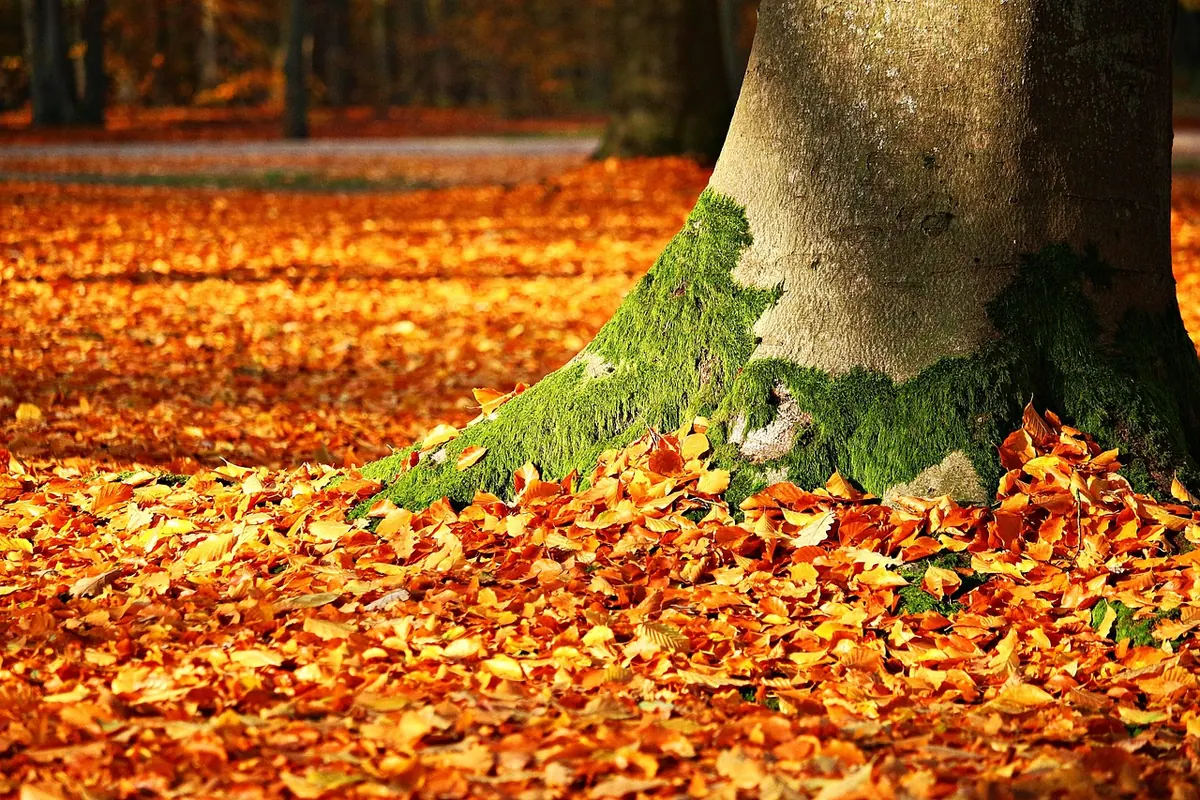
October is the month of colour and change. Horse chestnut leaves turn first, then beech woods go copper and gold. The clocks go back on the last Sunday, and suddenly the walk home is in darkness. Note the first frost, the first smell of wood smoke, and the arrival of redwings and fieldfares from Scandinavia.
November and December: Dark, Bright, Dark
November is the least loved month and one of the most interesting to record. The last leaves fall, the trees show their true shapes, and the landscape goes quiet and grey. Look for fungi still pushing through leaf litter, flocks of fieldfares stripping the hawthorn berries, and starling murmurations over wetlands and city rooftops at dusk.
December is short on daylight and long on atmosphere. Note the earliest sunset, which usually falls around the second or third week of the month rather than on the shortest day, as most people assume. Holly berries, ivy flowers, mistletoe in the old apple trees. Listen for a robin singing in the dark, which it does far more often than people expect.
The year closes with the winter solstice on or near 21 December. Write the year off properly: one short paragraph on what the year did, and one line about what you want to watch for next January.
Comparing Year on Year
The real value of a seasonal diary appears in its second year, when you start flicking back. Did the snowdrops come earlier? Was the dawn chorus as loud? Did the swifts stay a week longer? You are not proving anything, and that is the point — you are building a small, honest record of one place, kept by one person, which no dataset anywhere else contains.
At the end of each year, copy your key dates onto a single page:
- First snowdrop, first frogspawn, first chiffchaff.
- First swallow, first swift, last swift.
- First ripe blackberry, first conker, first frost.
- First redwing, first daffodil, first really warm day.
Ten lines, twelve months, one place. Do it for a few years and you will have something rarer than a weather report: a written record of how a small corner of Britain actually behaves.
Photo: rihaij / Pixabay